
🌱From Soil To Science
🌿Marigold (Genda)🌿
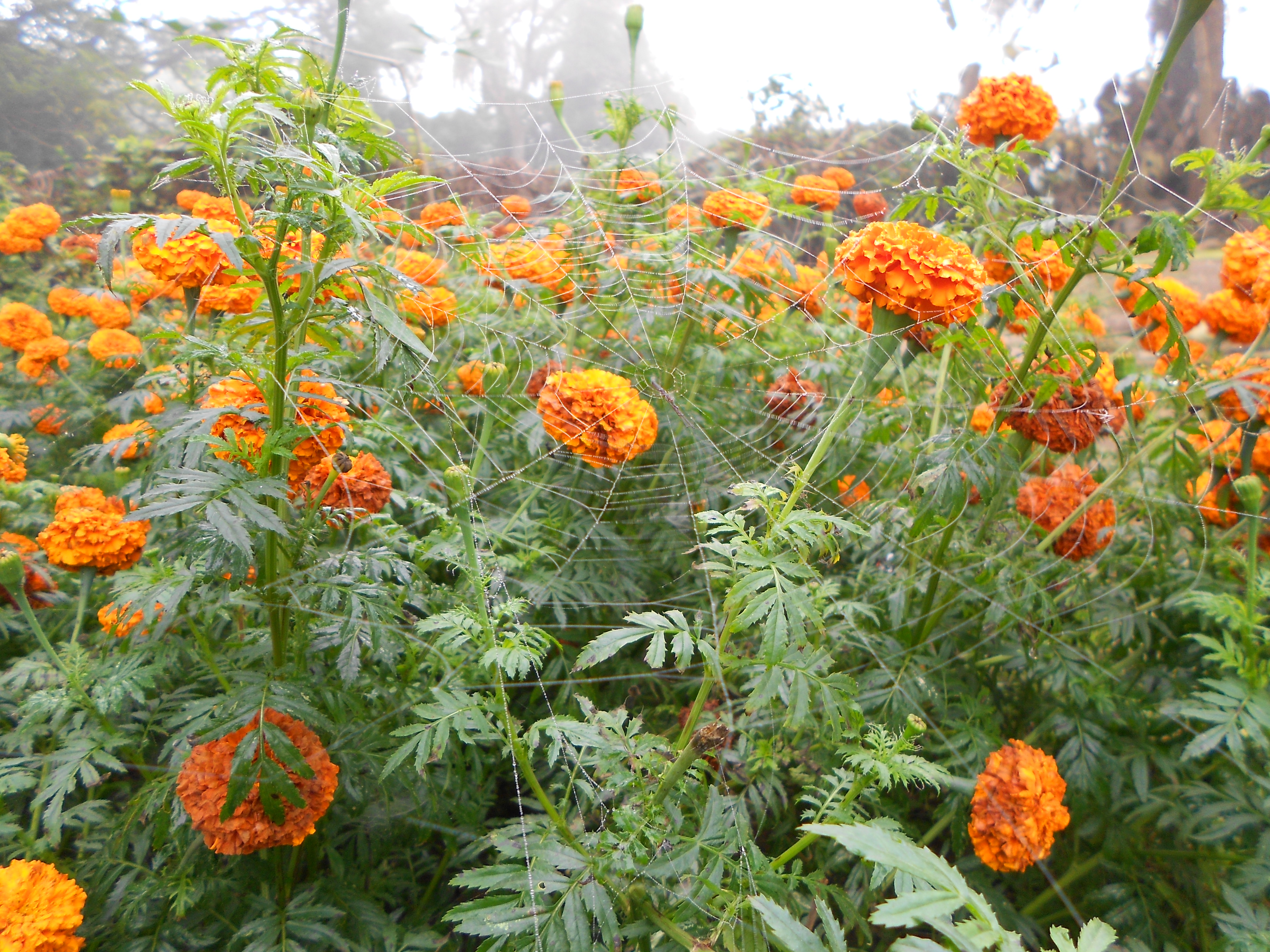
🔬Scientific Name:
Tagetes erecta
🌳Type: Annual herbaceous flowering plant, known for large, showy double blooms (commonly called African or Mexican marigold; locally called genda).
☀️Climatic Conditions: Prefers full sun and warm conditions; grows well in tropical and subtropical climates; tolerates a range of soils but performs best in well-drained, fertile soil; drought tolerant once established.
💊Medicinal Value: Mainly used in traditional and folk applications for mild antiseptic or anti-inflammatory purposes in some regions; primarily valued for ornamental, cultural and ceremonial uses rather than as a modern medicinal treatment. (For health concerns consult a professional.)
🛠️Uses:
- Ceremonial & decorative — widely used for garlands, festivals and temple decorations.
- Ornamental — bedding and border plant in gardens, bright seasonal displays.
- Companion planting — can help deter certain pests in vegetable gardens.
- Natural dye — petals sometimes used for dyeing and colourants.
- Pollinator friendly — attracts bees and beneficial insects.
✨Interesting Facts:
- Marigolds are culturally important across India for religious festivals and ceremonies.
- The bright orange and yellow colours are associated with celebration and purity in many traditions.
- Tagetes species produce aromatic compounds that can help repel some garden pests.
Care Tips:
- Plant in full sun for best flowering; ensure at least 6 hours of sunlight daily.
- Use well-draining soil and water regularly until established; reduce watering slightly once mature.
- Deadhead spent flowers to encourage continuous blooming.
- Fertilize lightly during the growing season to support abundant blooms.
👥Team Members Name: